
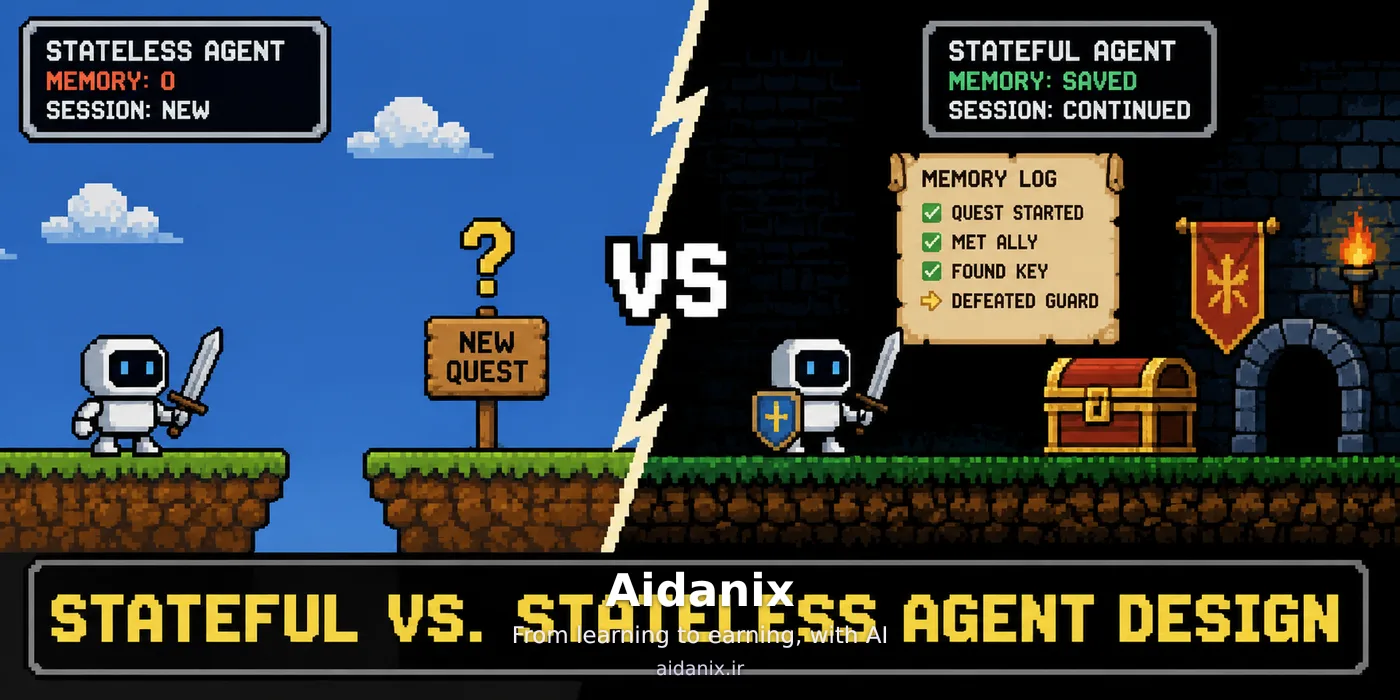
This article addresses the challenges and opportunities of designing artificial intelligence agents using 'stateless' and 'stateful' approaches. The choice between these two methods of state management directly affects the implementation structure and deployment process of agent systems.
Designing stateful agents can enhance flexibility and traceability of processes, but also increases complexity and scalability difficulties. In contrast, stateless agents offer greater simplicity, faster development, and easier scalability, although they may not adequately meet variable requirements in certain applications. By examining the advantages and limitations of each approach, this article provides solutions for making optimal choices in artificial intelligence projects.