
Following recent developments in artificial intelligence, researchers have designed agents that can automatically self-correct after identifying their own errors. This approach is based on the precise definition of relevant terminology and the identification of failure modes.
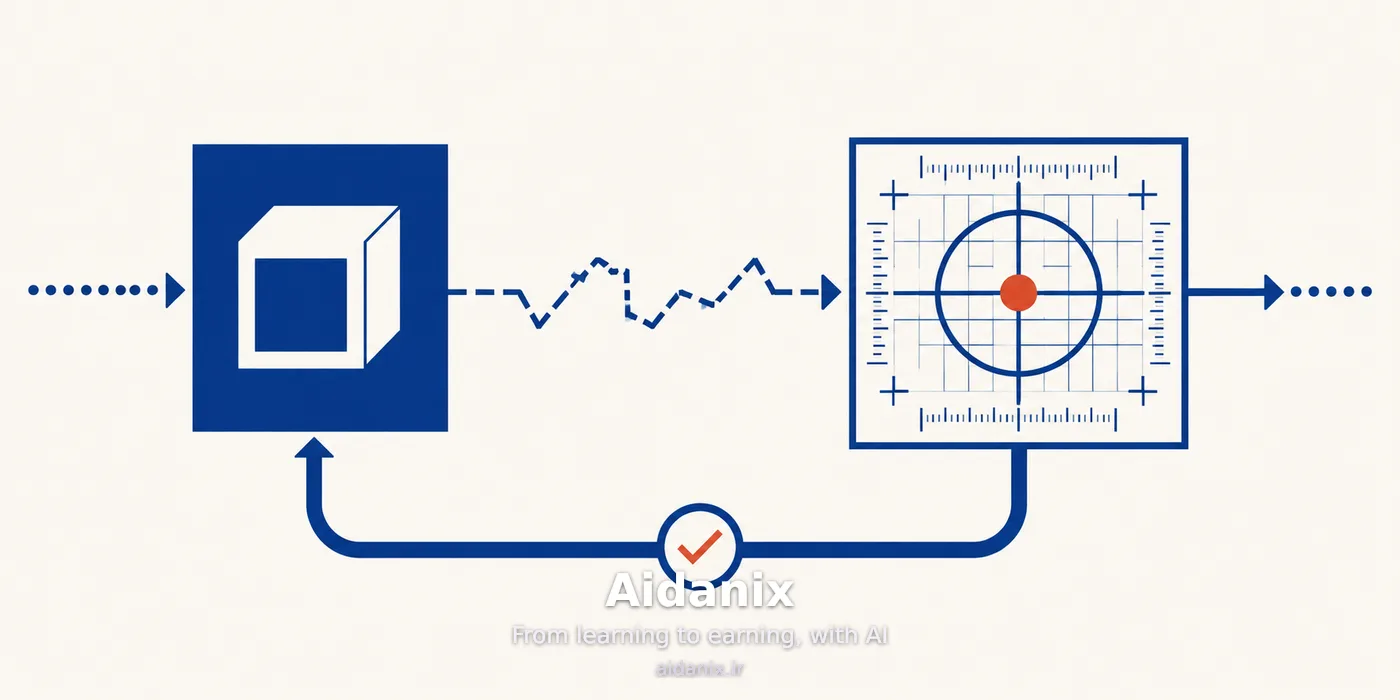
With these terms at hand and the precise identification of weaknesses, the research team presented the initial architecture of the AI agent. This structure includes a decision-making layer that selects a correction path as soon as an error is detected and then improves its performance using internal feedback.
Initial results indicate that these agents can have higher efficiency than traditional models in dynamic and uncertain environments by reducing repeated errors. This progress can pave the way for wider applications in robotics, recommender systems, and automated services.
Researchers hope that by expanding this framework, artificial intelligence will not only become smarter but also more self-aware in correcting its incorrect behaviors.