
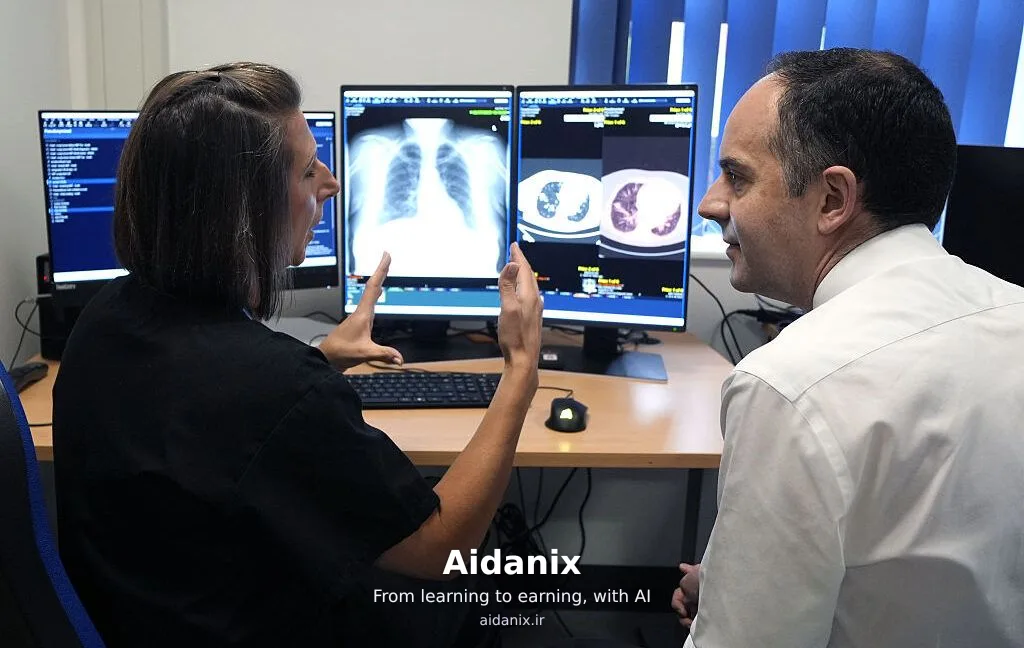
In 2016, Geoffrey Hinton, Nobel laureate and “godfather of artificial intelligence,” predicted that radiologists—doctors who diagnose diseases by reading X‑rays, ultrasounds, and other images—would be replaced by computers within five years. Today we can quote Mark Twain: the reports of my death were exaggerated.
Instead, the number of radiologists has been continuously increasing and is expected to grow more than 26 % over the next three decades. Hinton correctly predicted that doctors now have a silicon colleague in the room that can perform as well as or even better than they do. Radiology, as the hottest medical field for AI, signals the adoption of intelligent decision‑making systems across health care.
By early 2026, about three‑quarters of the 1,400 AI‑compatible medical devices approved by the U.S. Food and Drug Administration (FDA) were in radiology. Some of these tools increase efficiency by generating automated reports or alerting physicians to urgent images, while others can outperform humans by detecting anomalies invisible to the human eye. For example, a review of 43 clinical trials showed that AI‑assisted colonoscopies detect more polyps than traditional methods.
Read the full article