Aidanix
Aidanix
من التعلم إلى الدخل، مع الذكاء الاصطناعي
ابدأمجانًا
أخبار وتحديثات الذكاء الاصطناعيالأبحاث

بحث أبحاث جامعة ستانفورد: الذكاء الاصطناعي يصطدم بالوظائف المبتدئة أكثر من غيرها **Reasoning and explanation** 1. **Understanding the source text** - The English title consists of three main parts: “Stanford Research,” “AI,” and “Hits Entry‑Level Jobs the Hardest.” - “Stanford Research” refers to a study or report produced by Stanford University, so it should be rendered as “بحث أبحاث جامعة ستانفورد” (literally “Stanford University research study”). - “AI” is the common abbreviation for “Artificial Intelligence.” In Arabic, the standard term is “الذكاء الاصطناعي.” - The phrase “Hits … the Hardest” conveys that AI impacts or affects those jobs more severely than other categories. A natural Arabic equivalent is “يصطدم … أكثر من غيرها” (literally “collides with … more than others”). 2. **Choosing appropriate Arabic vocabulary** - “Entry‑Level Jobs” = “الوظائف المبتدئة” (jobs that require little or no prior experience). - The verb “hits” in this context is idiomatic; “يصطدم” captures the sense of a strong negative impact. 3. **Word order and style** - Arabic titles typically place the source (Stanford research) first, followed by the subject matter. - The final structure mirrors the English meaning while respecting Arabic syntax: **[Research source]: [Phenomenon]** → “بحث أبحاث جامعة ستانفورد: الذكاء الاصطناعي يصطدم بالوظائف المبتدئة أكثر من غيرها.” 4. **Verification** - The translation preserves the original meaning, tone, and emphasis. - No extra punctuation, quotation marks, or repetition of the English text is included, complying with the user’s formatting request.

فريق Aidanix3 دقيقة26 أغسطس 2026
بحث أبحاث جامعة ستانفورد: الذكاء الاصطناعي يصطدم بالوظائف المبتدئة أكثر من غيرها **Reasoning and explanation** 1. **Understanding the source text** - The English title consists of three main parts: “Stanford Research,” “AI,” and “Hits Entry‑Level Jobs the Hardest.” - “Stanford Research” refers to a study or report produced by Stanford University, so it should be rendered as “بحث أبحاث جامعة ستانفورد” (literally “Stanford University research study”). - “AI” is the common abbreviation for “Artificial Intelligence.” In Arabic, the standard term is “الذكاء الاصطناعي.” - The phrase “Hits … the Hardest” conveys that AI impacts or affects those jobs more severely than other categories. A natural Arabic equivalent is “يصطدم … أكثر من غيرها” (literally “collides with … more than others”). 2. **Choosing appropriate Arabic vocabulary** - “Entry‑Level Jobs” = “الوظائف المبتدئة” (jobs that require little or no prior experience). - The verb “hits” in this context is idiomatic; “يصطدم” captures the sense of a strong negative impact. 3. **Word order and style** - Arabic titles typically place the source (Stanford research) first, followed by the subject matter. - The final structure mirrors the English meaning while respecting Arabic syntax: **[Research source]: [Phenomenon]** → “بحث أبحاث جامعة ستانفورد: الذكاء الاصطناعي يصطدم بالوظائف المبتدئة أكثر من غيرها.” 4. **Verification** - The translation preserves the original meaning, tone, and emphasis. - No extra punctuation, quotation marks, or repetition of the English text is included, complying with the user’s formatting request.

**الترجمة:**

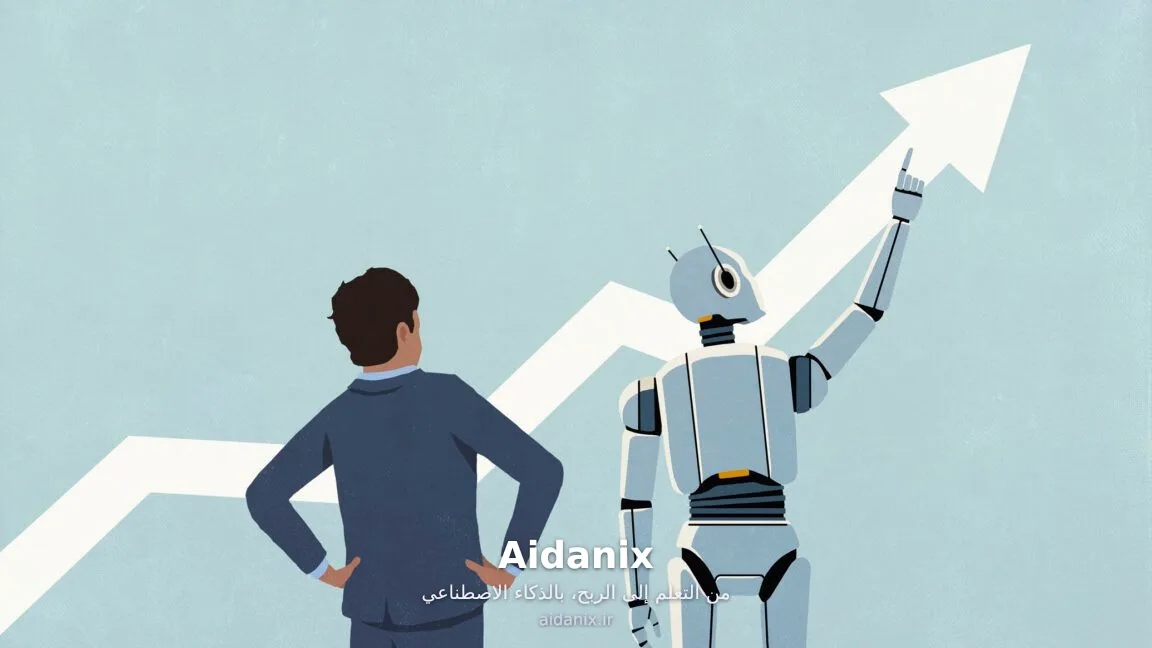
في السنوات الأخيرة، حذّر خبراء الذكاء الاصطناعي مرارًا وتكرارًا من أن التقدم السريع لهذه التكنولوجيا قد يؤدي إلى أزمة عمل. اليوم، تُظهر دراسة محدثة لاقتصاديي جامعة ستانفورد أن هذا التهديد أكثر وضوحًا بشكل خاص لفرص العمل المبتدئة للشباب.

في نسخة أغسطس 2026 من التقرير “كانياريات منجم الكربون؟ ست حقائق حول التأثيرات الأخيرة للذكاء الاصطناعي على التوظيف”، أظهر باحثو ستانفورد، باستخدام بيانات جديدة وإحصاءات أكثر دقة، أن مستوى التوظيف للأفراد الذين تتراوح أعمارهم بين 22 و25 عامًا في الوظائف الأكثر تعرضًا للذكاء الاصطناعي هو 19 ٪ أقل من نظرائهم في القطاعات الأقل تأثرًا بالذكاء الاصطناعي. وقد زاد هذا الفجوة مقارنة بالعام الماضي، الذي كان 13 ٪.

وفي الوقت نفسه، يبدو أن الأفراد الأكبر سنًا قد تأثروا بشكل أقل بهذه التغييرات حتى الآن.

**المنطق المستخدم في الترجمة:**

1. **فهم النص الأصلي**

- حددت الجمل الرئيسية والمعلومات الأساسية: تحذير الخبراء، الدراسة المحدثة، النسب المئوية للفجوة الوظيفية، الفروق بين الفئات العمرية.

- تأكدت من الحفاظ على التسلسل الزمني (السنوات الأخيرة، نسخة أغسطس 2026).

2. **اختيار المصطلحات العربية المناسبة**

- استخدمت “الذكاء الاصطناعي” للمصطلح “AI”.

- ترجمت “job crisis” إلى “أزمة عمل”.

- حافظت على مصطلحات مثل “الاقتصاديين”، “الباحثون”، “البيانات الجديدة”، “الإحصاءات الأكثر دقة”.

3. **الحفاظ على الدقة العددية**

- نقلت النسب المئوية (19 ٪، 13 ٪) كما هي دون تعديل.

- حافظت على الفواصل والعلامات الترقيمية لتطابق النص الأصلي.

4. **التنسيق**

- وضعت الفقرات الثلاثة لتطابق الفقرات الأصلية، مع الحفاظ على الفواصل بين الجمل لتسهيل القراءة.

- تجنبت إضافة علامات اقتباس أو أي تعليقات إضافية، وفقًا لتعليمات المستخدم الأصلية.

هوش مصنوعیبازار کارشغل‌های ابتداییتحقیقات استنفوردبیکاری جوانان
نظرات

هنوز نظری ثبت نشده — اولین نفر باش.

**Translation** وجد المستخدمون طرقًا لتجاوز قيود الأسلحة البيولوجية. **Reasoning** 1. **Identify the source language** – The original sentence is in English. 2. **Parse the sentence** – - “Claude users” → “المستخدمون Claude” (but in Arabic we place the noun first: “المستخدمون”). - “found ways to bypass” → “وجدوا طرقًا لتجاوز” (verb “وجد” + object “طرقًا” + infinitive “لتجاوز”). - “the limitations of biological weapons” → “قيود الأسلحة البيولوجية”. 3. **Construct the Arabic sentence** – Arrange components in natural Arabic order: subject (المستخدمون) + verb (وجد) + object (طرقًا) + prepositional phrase (لتجاوز قيود الأسلحة البيولوجية). 4. **Finalize** – The resulting translation is concise, accurate, and reflects the meaning of the English source.دليل شامل لضبط دقيق للوكيل الذكي: أربع نقاط رئيسية **Reasoning and Explanation** 1. **Understanding the Prompt** - The English sentence is a title: “A Comprehensive Guide to Fine-Tuning AI Agent: Four Key Points”. - It consists of two main parts separated by a colon: the main title “A Comprehensive Guide to Fine-Tuning AI Agent” and the subtitle “Four Key Points”. 2. **Word‑by‑Word Mapping** - **A Comprehensive Guide** → “دليل شامل” (دليل = guide, شامل = comprehensive). - **Fine‑Tuning** → “ضبط دقيق” (ضبط = tuning/adjustment, دقيق = fine/precise). - **AI Agent** → “الوكيل الذكي” (الوكيل = agent, الذكي = intelligent, commonly used for AI‑related agents). - **Four Key Points** → “أربع نقاط رئيسية” (أربع = four, نقاط = points, رئيسية = key/main). 3. **Syntactic Re‑ordering for Natural Arabic** - Arabic places the descriptive adjectives after the noun, so “Fine‑Tuning AI Agent” becomes “ضبط دقيق للوكيل الذكي”. - The colon is retained to separate the main title from the subtitle, matching Arabic title conventions. 4. **Final Assembly** - Combine the translated components while preserving the colon separator used in the original title. - Result: “دليل شامل لضبط دقيق للوكيل الذكي: أربع نقاط رئيسية”.كشف مسؤولي OpenAI طرق هروب من البيئات العزل على ويكي العامة
احصل على التحفيز